Wholesale Men’s Fashion Trends 2026: Must-Have Apparel, Footwear, and Accessories for Retail Businesses
1. The Strategic Imperative of Trend Forecasting and Supply Chain Agility in 2026
The global menswear retail sector has crossed into a new era of digital-first commerce, hyper-personalization, and unprecedented stylistic fluidity. As we navigate through 2026, traditional retail models predicated solely on mass-market reselling or static catalog offerings face severe margin compression. Today's modern male consumer demands a seamless blend of performance functionality, elevated comfort, and distinct individual expression across every item in their wardrobe. For boutique owners, e-commerce entrepreneurs, and emerging fashion brands, aligning inventory procurement with 2026 macro fashion trends is no longer optional—it is an absolute prerequisite for survival and long-term profitability.
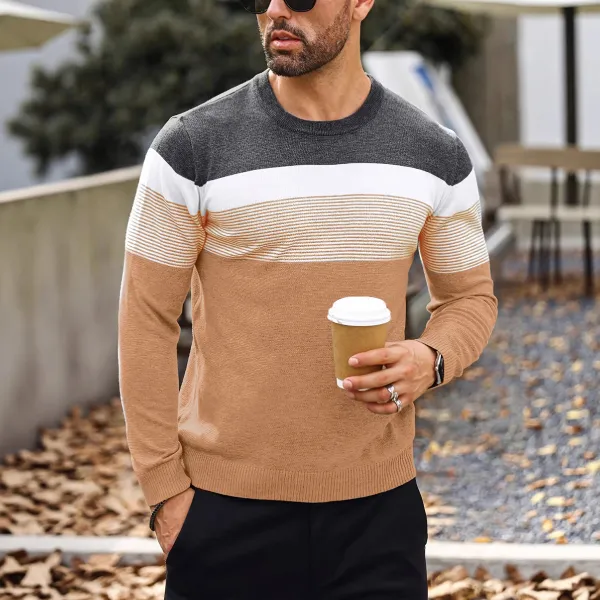
To break free from commodity price wars and margin erosion, forward-thinking retailers are actively optimizing their wholesale procurement strategies. The most successful enterprises are deploying a hybrid retail model that pairs agile
This comprehensive guide explores the multi-faceted strategies required to master Wholesale Men’s Fashion Trends for 2026. We will examine critical apparel categories, profit-expanding accessories, custom-made manufacturing solutions, and actionable operational frameworks designed to elevate your retail enterprise to unprecedented heights of success.
2. Macro Market Dynamics and the 2026 Male Consumer Psychology
Understanding the psychology of the contemporary male consumer is the foundational first step toward building a successful retail inventory. Historically underserved by a fashion industry that heavily prioritized womenswear, modern male shoppers—spanning Millennials, Generation Z, and emerging digital natives—are highly fashion-conscious, quality-driven, and value-oriented. They view apparel, footwear, and accessories as critical extensions of their personal identity, professional status, and active lifestyle values.
This cultural shift has catalyzed several defining macro trends for 2026:
The Normalization of Hybrid Utility: The boundary between formal business wear, remote work comfort, and streetwear has permanently dissolved. Consumers expect their clothing to transition effortlessly from home offices to urban commuting and evening social gatherings.
Functional Performance Fabrics: Modern shoppers demand materials that offer ergonomic stretch, moisture-wicking capabilities, wrinkle resistance, and sustainable eco-friendly properties without sacrificing aesthetic polish.
The Desire for Exclusivity: In a digital marketplace saturated with fast fashion, consumers increasingly crave unique designs, bespoke details, and custom-made apparel that cannot be found on standard high street racks.
To satisfy these multifaceted demands without straining cash flow, successful retail enterprises deploy a dual-pillar inventory strategy: leveraging stable, high-turnover wholesale products to secure baseline profitability while incorporating custom-made services as high-margin revenue multipliers.
3. Core Apparel Categories: Stocking the 2026 Must-Haves
Before layering in complex custom-made programs, retailers must establish a solid, commercially viable inventory foundation. Sourcing the right baseline apparel ensures steady cash flow, minimizes fulfillment friction, and builds immediate consumer trust.
Capitalizing on Denim and Structured Separates
Denim remains a perpetual anchor of men's fashion, seamlessly bridging rugged utility and modern smart-casual aesthetics. For 2026, structured denim separates and matching coordination sets are dominating street style and smart-casual retail sectors. Sourcing high-quality denim requires evaluating fabric weight, stretch recovery, and sustainable wash techniques. Incorporating diverse
Driving Basket Size with Coordinated Sets
Coordinated outfits have transformed contemporary consumer buying behavior by eliminating the friction of matching separate tops and bottoms. Offering curated
Capturing Warm-Weather Demand with Functional Bottoms
Seasonal agility is critical for maintaining year-round revenue flow. As consumer lifestyles increasingly lean toward active outdoor recreation and travel, demand for breathable lower-body wear has surged. Sourcing durable
Daily Replenishment Essentials: Undergarments
While statement pieces attract initial customer interest, everyday essentials drive reliable, repeat replenishment traffic. Investing in
Mastering Volume Tops: T-Shirts and Polos
Basic tops represent the ultimate volume drivers in retail. Large-scale procurement programs for

4. Expanding Profit Pools: Accessories and Footwear
While apparel drives primary foot traffic, accessories and footwear represent high-margin profit pools that complete the consumer's lifestyle vision and significantly boost overall business revenue.
Urban Mobility and Functional Bags
Bags and backpacks have evolved from purely utilitarian items into essential fashion statements for urban commuters, students, and frequent travelers. Incorporating versatile
Footwear: Completing the Head-to-Toe Look
Footwear represents a major purchasing decision for consumers completing an outfit. Offering diverse styles through
5. Unlocking High-Margin Revenue Through Custom-Made Solutions
While standard wholesale provides operational stability, custom-made services unlock the highest profit margins and establish true brand distinction. Customization transforms generic commodity products into exclusive brand assets that insulate your retail business from aggressive price competition.
Strategic Insight: Customization in 2026 goes far beyond printing a logo onto a blank garment; it is an advanced engineering process that tailors fabrics, fits, hardware, and silhouettes to your exact brand specifications, creating unmatched perceived value.
Custom T-Shirts: Engineering Proprietary Fits
T-shirts are the most ubiquitous items in global retail, making them the ultimate canvas for customization. Utilizing specialized
Custom Bags and Signature Hardware
Accessories offer incredible margins when customized. Leveraging professional
Custom Footwear Development
Footwear customization traditionally presented prohibitive development barriers due to complex mold costs. However, modern digital manufacturing partnerships have democratized custom shoe design. Through specialized
Custom Sets and Unified Collections
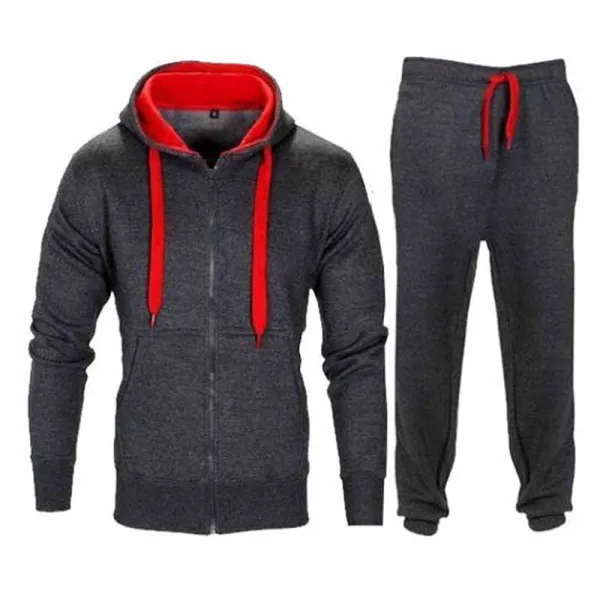
Coordinated apparel sets represent one of the fastest-growing revenue sectors in contemporary menswear. Leveraging advanced
6. Supply Chain Execution, Quality Control, and Risk Mitigation
Navigating wholesale markets and custom manufacturing in 2026 requires rigorous operational discipline. Managing production lead times, international freight, quality assurance (QA), and inventory forecasting is vital to maintaining healthy retail margins.
Phased Inventory Strategy and Working Capital Management
To protect cash flow, retailers should avoid over-committing capital to unproven custom products. A phased inventory strategy—starting with small-batch spot wholesale orders to test market response, followed by scaling successful items into custom manufacturing runs—minimizes financial exposure and eliminates deadstock. Keeping working capital fluid allows businesses to capitalize on emerging trends rapidly.
Quality Assurance and Tech Pack Precision
When investing in wholesale and custom merchandise, establishing clear tech packs (technical specification sheets) is non-negotiable. Tech packs must include precise garment measurements, graded sizing specs, Pantone color matching codes, stitch density requirements, and material composition percentages. Partnering with suppliers that enforce stringent multi-stage quality control inspections ensures consistency across manufacturing batches and protects your brand reputation.
7. Building a Resilient, Future-Proof Retail Enterprise in 2026
The 2026 retail environment continues to reward agile operators and penalize rigid, outdated business models. By moving beyond traditional, opaque procurement methods and embracing a comprehensive strategy that combines reliable wholesale staples with agile custom-made manufacturing, retail brands can unlock lucrative new revenue streams and carve out a defensible, highly profitable niche in the global market.
Whether you are expanding your retail inventory with essential daily menswear, investing in high-margin accessories and footwear, or developing proprietary custom collections, mastering the nuances of modern supply chain management is the ultimate key to success. Embrace digital sourcing platforms, maintain uncompromising quality standards, and position your retail brand for sustainable, long-term growth in the dynamic landscape of 2026 men's fashion.


Comments
Post a Comment