From Workwear to Streetwear: The Evolution of Wholesale Denim Aesthetics
The history of denim is the history of the modern world. Born in the coal mines and textile mills of the 19th century, denim was designed for one thing: survival. It was a fabric defined by its rigidity, its dark indigo dye, and its ability to withstand the harshest physical labor. Yet, in 2026, denim has completed its metamorphosis. It is no longer just the uniform of the laborer; it is the ultimate canvas for street-luxe fashion, high-end retail, and personal expression.
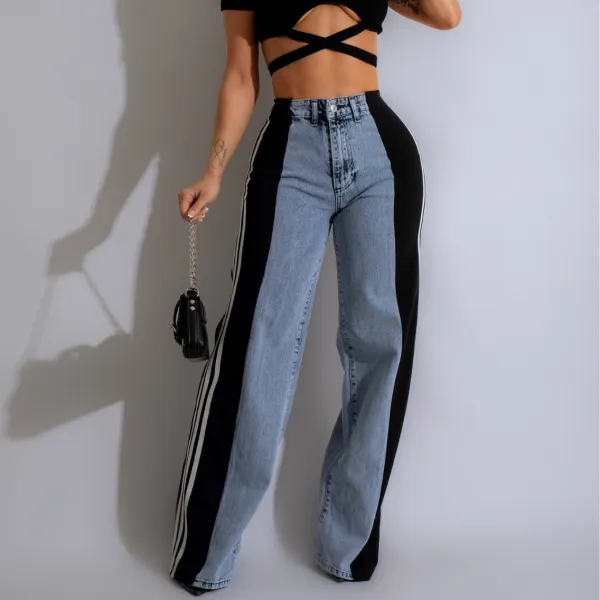
For the modern retailer, understanding this evolution is not just an academic exercise—it is the key to business survival. To curate a successful wholesale collection, one must navigate the tension between denim’s heritage as "utility wear" and its current status as a "streetwear essential." This article explores the evolution of denim aesthetics and provides a roadmap for retailers to thrive in this new landscape.
1. The Heritage Foundation: Why Workwear Still Matters
Even as fashion pushes the boundaries of design, the consumer's subconscious demand for "authenticity" remains. The reason denim never loses its market dominance is that it carries the "weight" of its history. Whether the consumer is a teenager buying their first pair of jeans or a professional investing in high-end denim, there is an innate expectation of durability.
When you source
2. The Streetwear Shift: Volume and Silhouette
If workwear was about function, streetwear is about form. The defining aesthetic of 2026 is "volume." We have moved away from the narrow, restrictive silhouettes of the 2010s into an era of oversized jackets, exaggerated baggy trousers, and experimental washes.
The Jacket as the Focal Point
In the streetwear lexicon, the denim jacket is the primary statement piece. Unlike the slim-fit jackets of the past, the 2026 silhouette is boxy, structured, and often treated as a layering centerpiece. When you work with
The Seasonal Pivot
Streetwear is a year-round movement, which means the traditional "seasonal" rules no longer apply. A robust
3. Demographics and the Streetwear Ethos
The evolution of denim has not hit all demographics equally, but the "streetwear" influence is clearly visible across the entire store.
Men’s Evolution: The modern man is looking for denim that balances comfort with a "sharp" aesthetic. When stocking
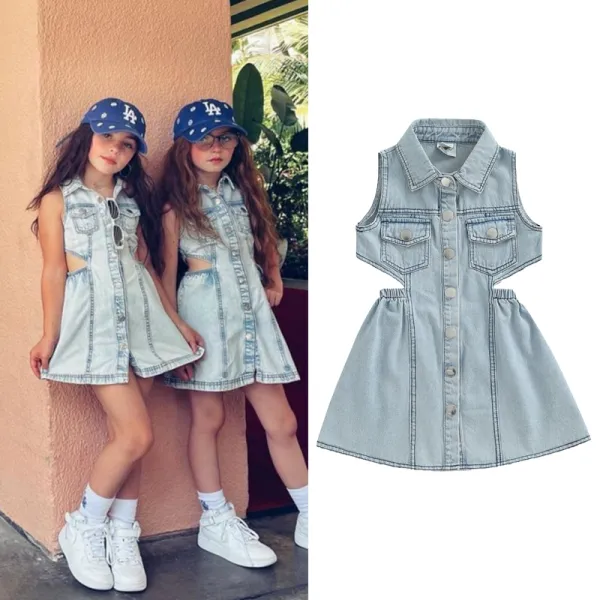
wholesale clothing mens jeans Kids' Streetwear: The "mini-me" trend is stronger than ever. Parents are no longer dressing their children in boring, stiff jeans. They are looking for
wholesale kids jeans
4. The Final Frontier: Customization and Brand Sovereignty
If workwear was about uniformity and streetwear is about individual expression, then the next evolution in wholesale is customization.
Retailers are discovering that the only way to avoid the price-based competition of massive online marketplaces is to offer products that cannot be found anywhere else. By investing in
Custom branding allows you to:
Elevate the Aesthetic: Add custom leather patches, branded metal hardware, and unique pocket embroidery that signal "premium status."
Create a House Fit: Define a fit that your customers associate with your boutique. This builds a moat around your business, as customers cannot buy that specific fit from a competitor.
Experimental Washes: If you want to lean into a specific aesthetic (like a "dirty" vintage wash or a crisp, monochromatic black), you can commission these finishes directly. This level of control is what separates an average retailer from a brand authority.
5. Navigating the Aesthetic Evolution: A Retailer’s Strategy
To stay relevant as denim evolves from workwear to streetwear, retailers must adopt a three-pillar strategy:
Pillar 1: Curated Variety
Don't stock "jeans." Stock "archetypes." Have a "Heritage" section that focuses on raw, rigid, clean-cut workwear styles. Have a "Street" section that focuses on the boxy jackets, baggy fits, and experimental washes. This allows your store to cater to both the customer seeking longevity and the customer seeking trend-driven excitement.
Pillar 2: Technical Transparency
Streetwear customers are highly educated. They know about GSM weights, enzyme washing, and laser distressing. When you market your products, talk about the construction. Is the denim made from recycled fibers? Is the distressing done via eco-friendly laser? Highlighting the technical side of the evolution from "laborer’s fabric" to "fashion art" is a powerful way to justify higher price points.
Pillar 3: Visual Identity
Denim is visually demanding. The aesthetic evolution to streetwear has been driven by Instagram, TikTok, and digital visual culture. Your store’s visual identity must be as sharp as the clothes you sell. Use editorial-style photography, street-style lookbooks, and video content that demonstrates how these pieces move in a real-world, urban environment.
6. The Future of Denim Aesthetics
As we look toward the future, the aesthetic of denim will continue to blur the lines between high fashion and functional utility. We are seeing the rise of "smart-denim"—textiles that are infused with cooling technologies, anti-odor properties, and even digital-ready surfaces for virtual wear.
The retailers who will thrive in the coming years are those who understand that denim is not a static product. It is a constantly shifting cultural signal. By staying agile, focusing on customization, and understanding the deep history of the fabric while pushing toward the future of style, you ensure that your store remains a destination for both the heritage-seeker and the trend-setter.

7. Building a Denim Legacy
Denim has traveled a long road—from the dark, dust-filled mines to the bright, fashion-forward streets of our global cities. For the retailer, this journey represents a world of opportunity. By curating a collection that honors the heritage of the fabric while embracing the experimental spirit of modern streetwear, you build a brand that is both resilient and relevant.
Start your journey today: audit your supplier list, begin the shift toward custom-branding, and ensure your inventory mix represents the full spectrum of the modern denim aesthetic. The market is ready for brands that can tell the story of denim’s evolution; make sure your store is the one telling that story.


Comments
Post a Comment