How Online Stores Can Stand Out in a Crowded Market with Private Labels
The e-commerce industry has exploded over the past decade, offering unprecedented opportunities for entrepreneurs to launch online stores and reach global audiences. However, this growth has also led to a highly saturated market where differentiation is crucial. Standing out among hundreds of thousands of competitors requires more than a well-designed website or competitive pricing—it demands a strong brand identity that resonates with consumers.

Private labeling has emerged as a powerful strategy for online retailers to achieve this goal. By creating products under their own brand names, retailers can control every aspect of the product experience, from design and materials to packaging and marketing. This allows them to move beyond reselling generic items and establish unique, recognizable brands that build customer loyalty and long-term revenue streams.
Modern entrepreneurs are increasingly leveraging customization service solutions to create private label collections that align with their brand vision. This article explores how online stores can use private labels to differentiate themselves, attract customers, and thrive in a competitive marketplace.
The Challenges of a Crowded E-Commerce Market
High Competition
E-commerce platforms are filled with thousands of sellers offering similar products. This competition often leads to:
- Price wars
- Lower profit margins
- Limited customer loyalty
- Difficulty standing out
Retailers relying solely on third-party products struggle to differentiate themselves and create a lasting brand presence.
Consumer Expectations
Modern shoppers have higher expectations than ever before. They seek:
- Unique, high-quality products
- Consistent brand experiences
- Engaging storytelling
- Emotional connections with brands
Brands that fail to meet these expectations risk losing customers to competitors who provide more personalized and meaningful experiences.
Private Labeling: A Solution for Differentiation
What is Private Labeling?
Private labeling involves selling products manufactured by a third party under your own brand name. Unlike reselling generic products, private labeling allows retailers to:
- Customize product designs, fabrics, and features
- Incorporate unique branding and logos
- Control packaging and unboxing experiences
- Establish brand authority and premium positioning
By taking ownership of the product, online stores can deliver consistent experiences that reflect their brand values.
Advantages of Private Labeling
- Brand Recognition – Products with consistent branding create familiarity and loyalty among customers.
- Higher Profit Margins – Private label products often allow for higher pricing due to perceived value.
- Creative Control – Retailers can design products that meet the specific needs of their audience.
- Customer Loyalty – Unique products and consistent branding encourage repeat purchases.
- Market Flexibility – Retailers can adapt products and branding based on customer feedback.
By offering distinctive items, online stores can stand out in a crowded marketplace and develop a loyal customer base.
Implementing a Private Label Strategy
Step 1: Identify Your Niche
The first step in private labeling is selecting a target market and niche. Focus on areas where you can provide unique value, such as:
- Custom plus size clothing for inclusivity
- Eco-friendly fashion
- Specialty swimwear, lingerie, or activewear
- Customized accessories and apparel
Identifying a niche allows you to tailor products and branding to meet the specific needs of your audience.
Step 2: Source Reliable Manufacturers
Partnering with trustworthy manufacturers is critical for consistent quality. Look for suppliers that offer:
- Private label clothing services
- Customization options for fabrics, design, and labeling
- Quality control systems
- Flexible order quantities for scaling
A reliable supplier ensures your products meet brand standards and customer expectations.
Step 3: Design Unique Products
Customization allows online stores to differentiate through design elements, including:
- Fabric selection
- Color palettes
- Patterns and prints
- Product features and sizing options
By offering custom dresses, swimwear, or lingerie, retailers can create products that reflect their brand’s identity and appeal to their target audience.
Step 4: Branding and Labeling
Custom labels and packaging elevate perceived value and reinforce brand identity. Essential components include:
- Woven or printed labels
- Logo integration
- Branded packaging, including boxes, tissue, and inserts
- Consistent typography, colors, and messaging
Luxury-level attention to detail communicates professionalism and quality, increasing customer trust.
Step 5: Optimize Online Store Experience
Beyond the product, the digital shopping experience plays a significant role in differentiation. Focus on:
- High-quality product images
- Detailed product descriptions
- Seamless navigation and checkout
- Personalized recommendations
- Engaging storytelling about the brand and products
An immersive online shopping experience reinforces brand credibility and encourages repeat purchases.

Marketing Private Label Products
Social Media Strategy
Social media platforms provide opportunities to showcase private label products and engage audiences. Strategies include:
- Influencer collaborations for organic exposure
- Behind-the-scenes content showing design and manufacturing
- User-generated content campaigns to highlight customer satisfaction
- Visual storytelling that emphasizes brand identity and values
Platforms like Instagram, TikTok, and Pinterest are particularly effective for fashion brands.
Email Marketing
Email campaigns help maintain customer relationships and drive repeat business. Effective email strategies include:
- Announcing new collections
- Offering exclusive promotions or early access
- Personalized product recommendations
- Sharing brand stories and behind-the-scenes content
Consistent communication fosters customer loyalty and brand recognition.
SEO and Content Marketing
Optimized content improves search engine visibility and establishes authority. Online stores can create content around:
- Fashion trends and styling tips
- Product care guides
- Sustainability and ethical sourcing
- Seasonal collections
SEO-driven content attracts organic traffic and strengthens brand credibility.
Customer Engagement and Feedback
Encouraging customer reviews and feedback helps improve products and build trust. Engage with your audience by:
- Responding promptly to inquiries
- Showcasing positive reviews
- Incorporating feedback into product design
- Rewarding loyal customers with exclusive offers
Strong engagement creates a sense of community and encourages advocacy.
Scaling Your Private Label Business
Expanding Product Lines
Once a brand establishes trust and recognition, expanding product offerings is a natural next step. This may include:
- Custom swimwear and lingerie
- Custom sportswear
- Custom women's sets
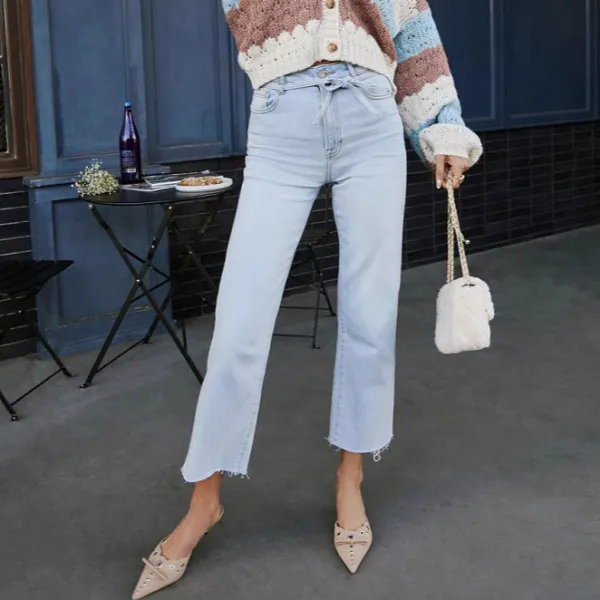
- Accessories such as custom socks or denim items like custom jeans
Expanding thoughtfully maintains brand identity while increasing revenue opportunities.
International Expansion
Private label brands can scale globally through e-commerce platforms. Consider:
- Cross-border shipping and logistics
- Multi-currency pricing
- Localized marketing campaigns
- Compliance with international regulations
Global expansion increases brand visibility and opens new revenue streams.
Building Customer Loyalty Programs
Rewarding repeat customers encourages retention and increases lifetime value. Loyalty programs can include:
- Points for purchases
- Exclusive early access to new products
- Personalized recommendations
- Limited edition items for loyal customers
These initiatives strengthen brand attachment and encourage advocacy.
Challenges and Considerations
Higher Initial Investment
Creating private label products requires upfront investment in design, production, and branding. However, the potential for higher profit margins and brand equity outweighs these costs.
Quality Control
Maintaining consistent product quality is crucial for brand credibility. Establish clear quality standards and work closely with suppliers to ensure adherence.
Supply Chain Management
Coordinating production, inventory, and shipping requires careful planning. Reliable logistics partners are essential to maintaining timely delivery and customer satisfaction.
Balancing Trends and Timelessness
While fashion trends change rapidly, private label products should maintain core brand identity. Balancing innovation with consistency ensures long-term relevance.
Future Trends in Private Label E-Commerce
Hyper-Personalization
Advances in technology enable more personalized shopping experiences, from customized designs to tailored recommendations.
Sustainability and Ethical Branding
Eco-friendly fabrics, packaging, and ethical sourcing will continue to influence purchasing decisions, especially among younger audiences.
Digital and Augmented Reality Experiences
Virtual fitting rooms and AR tools will allow customers to experience private label products digitally before purchasing, reducing returns and enhancing satisfaction.
AI-Driven Analytics
AI can analyze customer behavior, optimize inventory, predict trends, and improve product design, supporting strategic growth.
Private labeling is no longer a luxury reserved for large brands—it has become an essential strategy for online retailers seeking to stand out in a crowded e-commerce market. By creating distinctive products, integrating cohesive branding, and delivering exceptional customer experiences, retailers can differentiate themselves, build loyalty, and establish long-term revenue streams.
From custom plus size clothing to custom dresses, swimwear, lingerie, sportswear, coordinated sets, socks, and denim, private label products provide control over quality, aesthetics, and storytelling. By investing in customization service solutions, online stores can transform ordinary offerings into compelling brand experiences that resonate with modern consumers.


Comments
Post a Comment